

Bathhouse Etiquette in Japan: An Introvert’s First Onsen Experience
As an introvert, the idea of walking naked into a room full of strangers was my personal nightmare. But during my travels in Japan, I knew I couldn’t leave without experiencing one of its most sacred rituals: the onsen. What started as a hesitant cultural leap turned into one of the most unexpectedly grounding, human, and healing experiences of my trip. Here’s what it felt like—from awkward beginnings to peaceful endings—and everything I learned along the way Breaking the Ice (and My Own Barriers) I arrived at the bathhouse gripping my towel like a lifeline. Everything about the process felt like a puzzle: the tiny stools, the baskets for clothes, the silence, the steam. As someone who thrives in structured privacy, stepping into this world of communal bathing pushed every boundary I had. But watching locals move through the space so naturally—unbothered, unhurried—helped melt away some of my discomfort. No one was watching me. No one cared. In a society where respect is shown through quiet presence, I started to feel invisible in the best possible way The Unwritten Rules of Onsen Etiquette Before you dip a toe into the hot spring water, there are a few things you need to know. Here’s what I quickly picked up (and wish I had known sooner): Clean before you soak: You must shower and rinse thoroughly before entering the communal bath. It’s a sign of respect to others and the shared water. No towels in the bath: That small towel stays on your head, not in the water. No loud voices or splashing: The mood is peaceful and contemplative. Tattoos may be banned: Some traditional bathhouses don’t allow visible tattoos due to their cultural associations. Don’t stare (obviously): Mindfulness is everything. Everyone keeps to themselves—and you should too. What surprised me was how intuitive it became after a few minutes. Rituals, when done slowly and respectfully, are strangely comforting. The Stillness I Didn’t Know I Needed Once I eased into the steaming pool, surrounded by mist and the occasional sound of water dripping, I finally understood what the fuss was about. It wasn’t just about hot water—it was about shedding layers, both literal and emotional. No phone, no clothes, no small talk. Just you and your breath, your body, the mountain air filtering through the window, and strangers who all needed the same quiet you did. For an introvert, the onsen wasn’t a test—it was a sanctuary. The Beauty of Unspoken Community What surprised me most wasn’t the silence, but the sense of gentle connection that formed without a single word. The old woman who passed me a stool. The teenage girls giggling in the corner. The mother teaching her child how to rinse with care. It reminded me that we don’t always need language to feel belonging. The onsen taught me that vulnerability doesn’t always equal weakness. In fact, sharing space in such a raw and respectful way was one of the most powerful forms of community I’ve experienced. Where to Go for a Beginner-Friendly Experience If it’s your first time and you’re nervous like I was, here are a few beginner-friendly onsens: Tenzan Onsen (Hakone) A natural retreat tucked in the mountains Nestled in the scenic hot spring town of Hakone, Tenzan Onsen is a favorite for both locals and travelers seeking a traditional onsen experience. This facility offers multiple open-air baths (rotenburo) surrounded by lush forest, which makes it feel like you’re soaking in the middle of nature. The water is mildly sulfuric and incredibly soothing for the skin. There’s a peaceful rhythm to the way this onsen operates—minimal noise, a rustic aesthetic, and a strong connection to nature. Kurama Onsen (Kyoto) A serene mountain escape just outside the city Located in the quiet village of Kurama, just a short train ride from Kyoto, this onsen feels like a true hidden gem. The outdoor bath here overlooks the surrounding hills and forest, making it a stunning place to relax after a hike in the Kurama area. You can choose between public baths and private rooms for those who are a bit shy. The peaceful mountain air, combined with the mineral-rich spring water, creates a deeply calming effect. Oedo Onsen Monogatari (Tokyo) A playful and accessible onsen theme park If you’re not quite ready for the full traditional onsen experience, Oedo Onsen Monogatari offers the perfect introduction in a more relaxed and playful setting. Located in Odaiba, Tokyo, it combines hot spring baths with Edo-period décor, food stalls, yukata rentals, and even arcade-style games. It’s more lively than most onsens, but still provides genuine hot spring water and separate bath areas by gender. The facility offers clear English instructions and is extremely foreigner-friendly. A natural retreat tucked in the mountains Nestled in the scenic hot spring town of Hakone, Tenzan Onsen is a favorite for both locals and travelers seeking a traditional onsen experience. This facility offers multiple open-air baths (rotenburo) surrounded by lush forest, which makes it feel like you’re soaking in the middle of nature. The water is mildly sulfuric and incredibly soothing for the skin. There’s a peaceful rhythm to the way this onsen operates—minimal noise, a rustic aesthetic, and a strong connection to nature. A serene mountain escape just outside the city Located in the quiet village of Kurama, just a short train ride from Kyoto, this onsen feels like a true hidden gem. The outdoor bath here overlooks the surrounding hills and forest, making it a stunning place to relax after a hike in the Kurama area. You can choose between public baths and private rooms for those who are a bit shy. The peaceful mountain air, combined with the mineral-rich spring water, creates a deeply calming effect. A playful and accessible onsen theme park If you’re not quite ready for the full traditional onsen experience, Oedo Onsen Monogatari offers the perfect introduction in a more relaxed and playful setting. Located in Odaiba, Tokyo, it combines hot spring baths with Edo-period décor, food
Taipei Beyond Night Markets: A Local’s Guide to the Unexpected
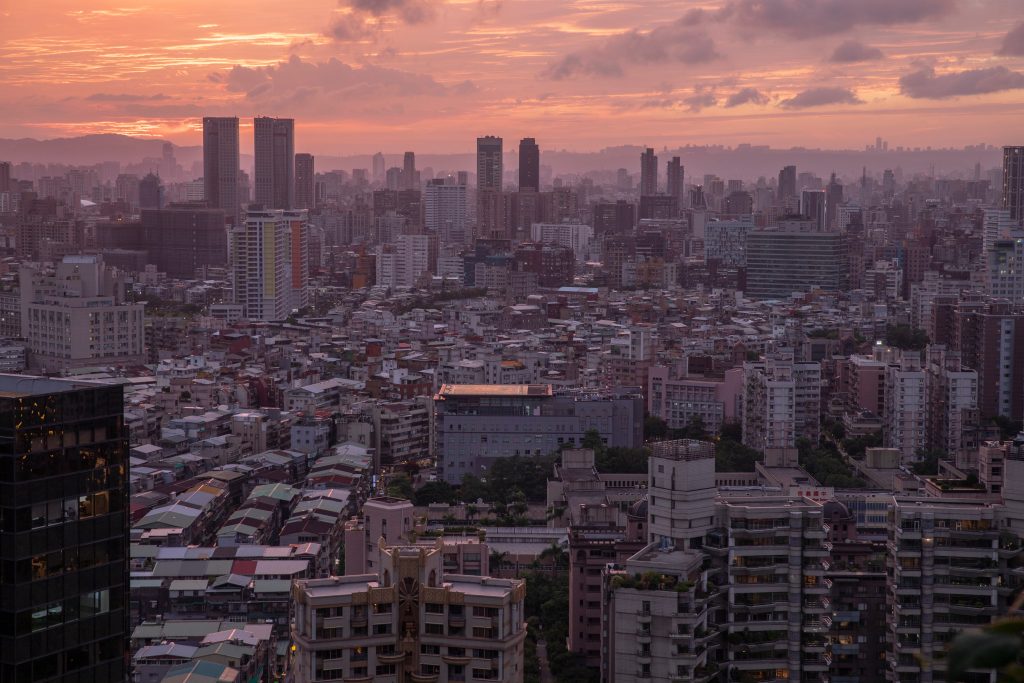
Night markets may be the beating heart of Taipei’s street culture—but this city has far more to offer than bubble tea and stinky tofu. As someone who’s wandered its alleyways, caught its hidden sunsets, and had unexpected moments of connection with locals, I want to take you beyond the usual tourist path. Here’s a local-flavored guide to the side of Taipei you might miss if you only follow Instagram. Urban Nature Escape Taipei is a city wrapped in green—sometimes literally. Most visitors head straight to Elephant Mountain, but for quieter trails with equally rewarding views, try Jiannan Butterfly Trail or the Secret Rainbow Stairs behind Gongguan. For a full escape into nature, hike Neihu’s Bishan Temple Trail, where you’ll pass bamboo forests and hidden temples perched above the clouds. If hiking isn’t your thing, just spend a lazy afternoon in Da’an Forest Park, where you’ll see elderly couples ballroom dancing and students sketching turtles by the pond. Hidden Art & Creative Spaces Taipei is bursting with creativity—often tucked behind old doors and under flyovers. Skip the museums and explore Treasure Hill Artist Village, a reclaimed military settlement-turned-artist colony. Wander into open studios, chat with residents, or stumble upon pop-up exhibitions. Don’t miss Taipei Artist Village near Shandao Temple Station either—it’s part gallery, part co-working space, part creative rebellion. For street art lovers, the walls of Ximending’s America Street or the back alleys of Songshan Creative Park offer vibrant murals and stencil art that feels alive with Taipei’s youth energy. Independent Cafés with Soul Taipei’s café scene is more than aesthetics—it’s about stories. Try Cafe Kuroshio, a peaceful spot owned by a couple who used to be marine biologists, or Elsewhere Café, tucked into an old Japanese-era home with a rotating bookshelf of zines and poetry. These aren’t just places to grab coffee—they’re places where you’ll overhear artists planning exhibits or students sharing philosophies. If you’re into vintage vibes, head to Toasteria Café, where Mediterranean food meets secondhand furniture in the coziest way. Temples Beyond Longshan Taipei’s spiritual side is best experienced in its quieter corners. While Longshan Temple is impressive, smaller temples like Qingshui Temple in Dadaocheng or the atmospheric Xingtian Temple offer a more intimate look at local spirituality. Here, you can observe people casting “moon blocks” (筊杯), lighting incense, or silently meditating away from tour group crowds. And for something truly unique, check out Tianhou Temple in Tamsui—it blends sea goddess worship with urban grit, nestled right between a 7-11 and a motorcycle shop. Foodie Finds off the Beaten Path Yes, we love night markets—but the best meals often hide in plain sight. Try Lu Sang Restaurant in Zhongxiao for authentic Yilan-style cuisine, or Fuhong Beef Noodles in the back of a car park near Nanjing Fuxing. For sweet tooths, the mochi at Chen San Ding is worth the hype—but go early. And if you want a weird and wonderful experience, book a seat at MOD Public Bar, a cocktail bar where each drink is paired with a story or a sensory experience—like a drink that comes with a pine tree branch and a sound recording. Conversations With Strangers What truly makes Taipei special is the people. From the taxi driver who taught me the real meaning of “吃苦” (enduring hardship), to the bookstore owner in Wanhua who gifted me a poetry zine with my purchase—these human moments are what stay with you. Be curious. Say hi. Ask questions. Taipei’s soul isn’t just in places—it’s in its people. Taipei isn’t loud about its beauty—you have to lean in, wander a little slower, and let the city unfold in its own time. It’s in the quiet moments between destinations: a cup of tea poured by a stranger, incense smoke curling in the air, laughter echoing from an alley. This guide is just a starting point. As a local, even I keep discovering new corners and old stories every time I walk the streets. So ditch the checklist. Get lost on purpose. Taipei will meet you halfway. — Shin
The Carry-On Only Challenge: How I Packed for a Month in Europe
I remember standing in my bedroom, staring at an open suitcase and the mess of clothes spilling around it, already feeling overwhelmed. A month-long trip through Europe was on the horizon—Italy, Spain, Portugal—each promising its own flavors, textures, and weather. I had done this before: packed a giant suitcase, crammed full of “maybe” outfits, three pairs of shoes I didn’t wear, and bulky sweaters that never saw the light of day. But this time, something felt different. I wanted less. Less weight on my back. Less time spent choosing outfits. Less clutter, more space—both physically and mentally. So I set a challenge: one backpack. One month. Three countries. No checked luggage. Not because I wanted to prove anything—but because I wanted to travel differently. Slower, lighter, and more intentional. Choosing the Right Bag The first step was finding the perfect carry-on. I went with a 35L soft-shell backpack that fits most European airline requirements. I chose one with front-loading access (like a suitcase), multiple compartments, and comfortable straps. A well-designed bag makes everything easier—from airport security to train station chaos. Building a Capsule Wardobe I built a versatile wardrobe using the “10 pieces, 30 outfits” principle. Think neutral tones, lightweight fabrics, and items that can mix and match easily. Tops: 4 breathable shirts (1 dressy, 3 casual) Bottoms: 2 pants, 1 pair of shorts Layers: 1 cardigan, 1 compact rain jacket Shoes: 1 pair of sneakers (for walking), 1 pair of sandals (for dressing up or beach days) Extras: 1 swimsuit, 1 scarf, and a compact foldable tote for groceries or beach use Pro Tip: Choose wrinkle-resistant fabrics and colors that don’t show dirt easily. Downsizing Toiletries This was a game changer. I invested in reusable silicone travel bottles and filled them with concentrated multi-use products (like shampoo bars and all-in-one body/hair wash). I also carried a small pouch of essentials: toothbrush, floss, sunscreen, and solid perfume. Pro Tip: Go solid where you can (bar soap, deodorant stick, etc.)—they don’t count toward liquid limits. Doing Laundry on the go This was a game changer. I invested in reusable silicone travel bottles and filled them with concentrated multi-use products (like shampoo bars and all-in-one body/hair wash). I also carried a small pouch of essentials: toothbrush, floss, sunscreen, and solid perfume. Pro Tip: Go solid where you can (bar soap, deodorant stick, etc.)—they don’t count toward liquid limits. What I regretted (and didn’t) Things I thought I need What I regret not brining Unexpected MVPs (The things I thought I’d need—but totally didn’t) Before the trip, I packed with a bit of fear—what if I underpacked? But honestly, I didn’t miss half the things I left behind. A second pair of shoes? Unnecessary. A bulky coat “just in case”? Took up space for no reason. Even dressy clothes were a waste—I ended up living in the same few comfortable, mix-and-match outfits. Most people don’t notice what you wear, especially in travel settings. Simplicity truly worked (The few small things that would’ve made a big difference) While going ultra-minimalist was mostly liberating, there were a few things I really wish I had: A compact travel umbrella—it rained more than I expected. A second power adapter—sharing outlets in hostels was a daily battle. A foldable tote bag—for groceries, beach days, or overflow from souvenirs. These items are small and lightweight, but they would’ve added a lot of convenience without weighing me down. (Tiny items that became travel heroes) A few things I packed on a whim turned out to be absolute game-changers: Quick-dry towel – Not only great for showers, but also doubled as a picnic mat and window shade. Collapsible water bottle – Saved money and kept me hydrated, especially on long train rides. Document pouch – Helped me keep my passport, tickets, and hotel details organized and accessible. It’s always the underrated items that end up saving the day. (The things I thought I’d need—but totally didn’t) Before the trip, I packed with a bit of fear—what if I underpacked? But honestly, I didn’t miss half the things I left behind. A second pair of shoes? Unnecessary. A bulky coat “just in case”? Took up space for no reason. Even dressy clothes were a waste—I ended up living in the same few comfortable, mix-and-match outfits. Most people don’t notice what you wear, especially in travel settings. Simplicity truly worked (The few small things that would’ve made a big difference) While going ultra-minimalist was mostly liberating, there were a few things I really wish I had: A compact travel umbrella—it rained more than I expected. A second power adapter—sharing outlets in hostels was a daily battle. A foldable tote bag—for groceries, beach days, or overflow from souvenirs. These items are small and lightweight, but they would’ve added a lot of convenience without weighing me down. (Tiny items that became travel heroes) A few things I packed on a whim turned out to be absolute game-changers: Quick-dry towel – Not only great for showers, but also doubled as a picnic mat and window shade. Collapsible water bottle – Saved money and kept me hydrated, especially on long train rides. Document pouch – Helped me keep my passport, tickets, and hotel details organized and accessible. It’s always the underrated items that end up saving the day. Final Thoughts Packing light didn’t just save me baggage fees, it changed how I traveled. I moved through airports faster, navigated cobblestones with ease, and felt mentally lighter. I spent less stressing over what to wear and more time getting lost in alleyways, enjoying conversations, and sipping espresso in the sun. —Shin